Low Cost 200W Inverter
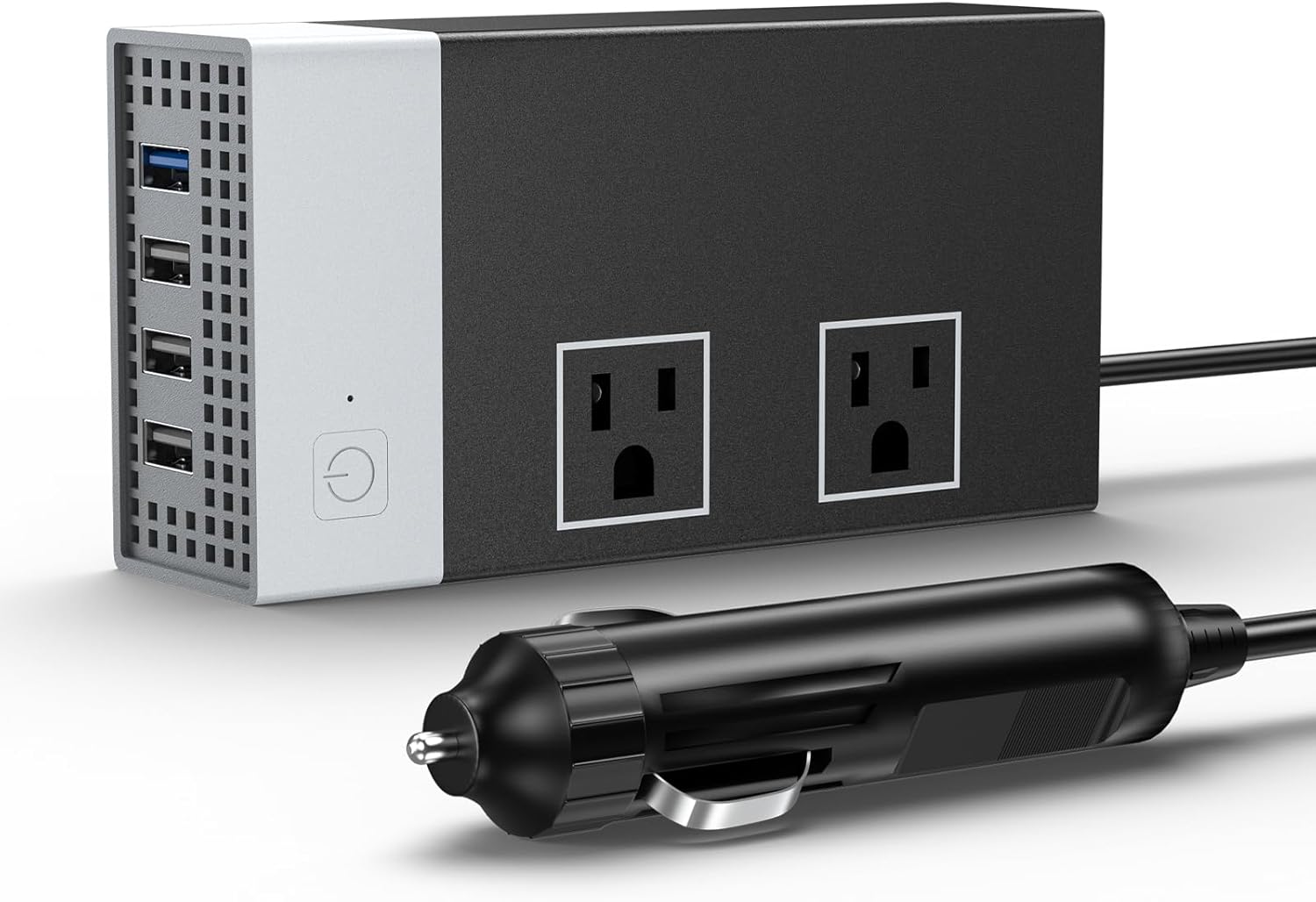
Yes, it is not pure sine wave. Yes, pure sine wave inverters are objectively better on an electrical level. No, that does not automatically make this thing bad.
This little TAGEEBLU 200W car power inverter is a great product. Honestly, it is so cheap it is nearly free. They are almost paying people to take them. I mean, come on. For the price, this thing is ridiculous.
And before the pure sine wave people jump in screaming, yes, I know, it is not pure sine wave. Yes, pure sine wave inverters are objectively better in terms of waveform quality. Yes, if you are building the nicest, cleanest, most premium power setup possible, pure sine wave wins. Nobody is arguing against that.
But there is more to inverter selection than just one technical detail. Size matters. Cost matters. Actual use case matters. And in this particular situation, this cheap little inverter absolutely makes sense.
The Biggest Thing People Miss
People love to talk like pure sine wave is the only acceptable option in every single situation. If you ask around in solar groups, forums, Facebook, whatever, a lot of people will basically tell you that modified sine wave is trash and a waste of money.
That is just not universally true.
They are only really correct if you are comparing solutions for large loads, sensitive systems, or serious whole-house type applications. If you are trying to run a big appliance, an air conditioner, or some major permanent installation, then sure, pure sine wave is the only sane choice.
But that is not what this little inverter is for.
This thing is for random portable AC power on a super tight budget. It is for weird little projects. It is for those moments where you just need an outlet in a car, truck, battery box, or temporary setup. In that world, a dirt-cheap, tiny inverter that actually works can be the best option.
It Is Tiny, and That Actually Matters
You will not find a pure sine wave inverter this small. Point blank.
People act like size is some side issue, but it is not. Size is a real design constraint. If something is three times fatter, way heavier, and way more annoying to fit into a project, that matters, especially for portable builds, car setups, battery boxes, and random DIY stuff.
I have a 2kW pure sine wave inverter, and that thing is freaking massive. It is not even in the same universe. I actually have it taken apart right now because I was in the middle of upgrading it and adding current and voltage sensors inside. I did not finish the project, lol. But the point stands: pure sine wave hardware gets big fast.
This little cheap inverter, on the other hand, fits basically anywhere. That is a real advantage, not some minor footnote.
The Price Is Honestly Absurd
The cost is what really pushes this thing over the top. It is like 15 bucks. That is basically nothing. People can argue all day about what the technically superior solution is, but at some point price becomes impossible to ignore.
It is not so easy to casually blow 40+ dollars on some random project. But 15 dollars? Dude, for 15 dollars, almost anyone can have portable AC power. That changes the equation.
And the funny part is, the four USB ports almost make it worth the price by themselves. Even if you looked at it as just a compact charging hub with bonus AC output, it would still be pretty decent.
Real-World Testing: This Thing Actually Works
I did not baby this thing either. I cut the car plug off before I even tested it and put an XT60 on it, because that is how I wanted to use it.
And it worked very good.
I powered a Mac mini and a monitor with it. No issues. I also powered a pump for an air bed. Again, no problems. I have used it on several other things too, and it works very, very good.
That is what matters. Not just theory, not just internet opinions, not just people repeating "pure sine wave only" like it is some law of physics. In actual use, for the kind of loads this product is meant for, this cheap little inverter performed way better than its price suggests.
Yes, the Pure Sine Wave Competitor Is Objectively Better
Now, to be fair, the cheapest small pure sine wave competitor is objectively better. More watts, better efficiency, better design, more premium feel, all that stuff. Electrically speaking, yes, it wins.
But it is also nearly triple the price and like three times fatter.
And that is exactly the point.
"Better" is not always the same thing as "better for this job." If a product is more expensive, bulkier, harder to fit, and overkill for what you are trying to do, then it is not automatically the best choice. Sometimes the cheap weird little option is the correct answer.
When You Should Absolutely Buy Pure Sine Wave Instead
If you have sensitive, delicate electronics that simply will not work correctly on the cheaper inverter, then fine, get the pure sine wave unit.
If you do not mind the extra bulk that comes with pure sine wave designs, then by all means, get the nicer one. Again, on an electrical level, it is objectively better.
If your priority is maximum compatibility, cleaner output, and a more premium solution, pure sine wave is the move.
But: if you just want to power random AC devices on a very tight budget, and you want something tiny that fits basically anywhere, this cheap little inverter makes a ton of sense.
The Problem With One-Size-Fits-All Advice
This is where a lot of online advice goes wrong. People take a true statement, "pure sine wave is electrically better," and then stretch it into a lazy statement, "therefore everything else is trash."
That second statement does not automatically follow.
Engineering is always tradeoffs. Cost, size, efficiency, compatibility, convenience, portability, and actual use case all matter. You cannot just ignore half the variables and then pretend your conclusion is universal.
For giant loads, serious appliances, and high-stakes installs, sure, pure sine wave all day. For tiny random loads and cheap portable power, not necessarily. Sometimes the square-wave-ish budget box is actually the smarter buy.
Final Verdict
This inverter is awesome.
It is cheap to the point of absurdity, tiny enough to fit anywhere, and it actually works. I used it on a Mac mini, a monitor, an air bed pump, and other random stuff, and it handled the job just fine.
No, it is not pure sine wave. Yes, pure sine wave is technically better. But no, that does not mean this thing is trash.
For massive loads, serious appliances, or highly sensitive electronics, buy the pure sine wave inverter. For random projects, budget builds, and portable AC power that costs basically nothing, this little 15 dollar unit is absolutely worth it.
Sometimes the best product is not the most premium one. Sometimes it is the one that is nearly free, fits in your hand, and just gets the job done.